

0.00€
CheckoutWhy do some strains have 30%+ THC, while others do not?
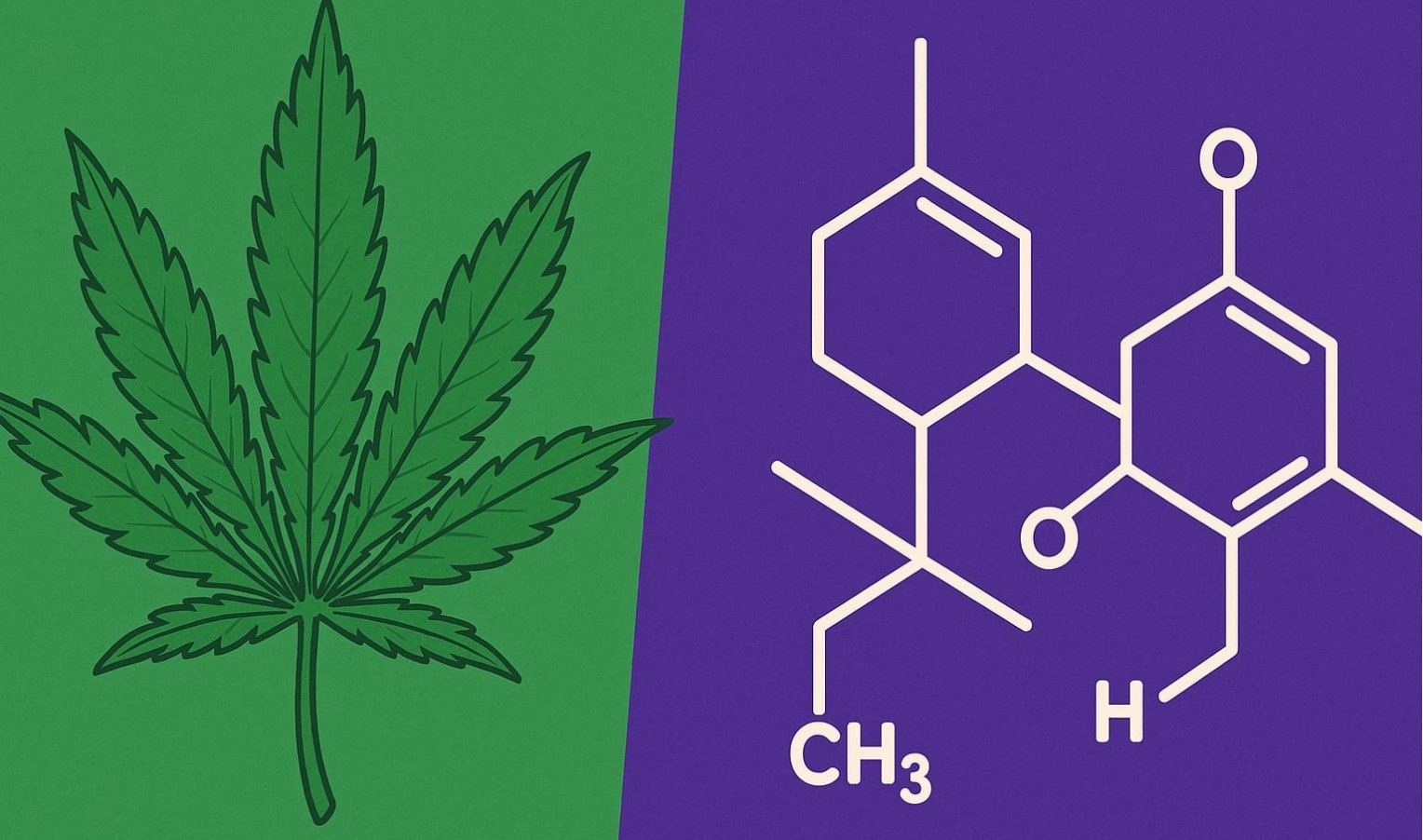
Cannabis genetics and their influence on THC content
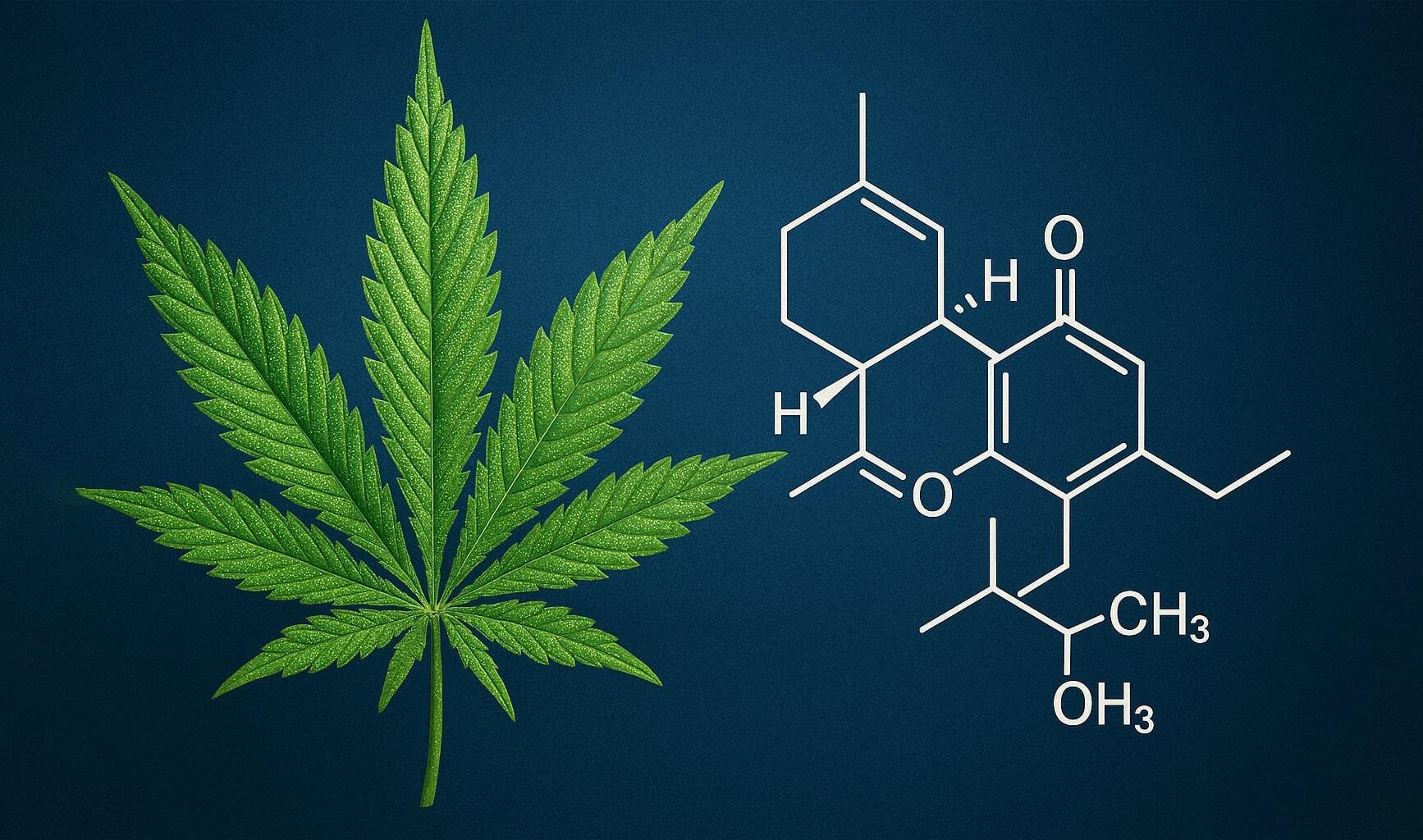
When it comes to potent cannabis strains, genetics are always a key factor. They determine how well a plant can produce trichomes—microscopic glands where cannabinoids and terpenes are formed. The question “Which genes are responsible for THC levels and aroma?” is central to breeders, because it is the combination of hereditary traits that determines the potential of a strain.
- Strains with high THC have special genetic lines where the activity of enzymes involved in cannabinoid biosynthesis is significantly higher. This explains why some plants are capable of reaching 30% THC, while others remain at 15-20%.
- The genetics of strong varieties are formed through many years of selection: crossing indica and sativa, creating hybrids with high THC, and selecting plants with the highest resin concentration.
- The THC content in strains depends not only on heredity, but also on how genes interact with external conditions. However, it is the genetic base that sets the limit — even with ideal cultivation, a strain without the necessary genes will not become “super strong.”
Thus, the influence of genetics on THC is the foundation on which all breeding is based. Breeders seek out and enhance the very genes that are responsible for high cannabinoid levels and rich aroma, creating the strongest marijuana strains with unique effects.
Biological factors influencing the formation of 30% THC varieties
Not all plants are capable of reaching a THC level of 30%, and this is due to a whole range of biological and agronomic factors. Even if a strain has the genetic potential, growing conditions and care play a decisive role.
The main factors affecting THC content are:
- Genetic potential
Only cannabis seeds with high THC can produce plants that are predisposed to increased production of trichomes and cannabinoids. Without the right genetics, it is impossible to obtain truly potent marijuana strains. - Light intensity
Light stimulates photosynthesis and trichome activity. The more energy a plant receives, the higher the likelihood of increased production of cannabinoids and terpenes. - Temperature and humidity
Optimal conditions (moderate heat and controlled humidity) allow the plant to direct its resources toward resin formation rather than stress management. - Nutrition and fertilizers
The balance of macro- and micronutrients directly affects how THC is formed. An excess or deficiency of nutrients can reduce the concentration of cannabinoids. - Selection and care
High-THC hybrids require careful care: proper pruning, control of stress factors, and competent cultivation enhance the potential of the strain.
Thus, even with the right genetic base, it is the combination of growing conditions and proper agricultural techniques that determines why some plants become the strongest strains, while others remain average in terms of THC levels.
The genetic formula for potent marijuana strains
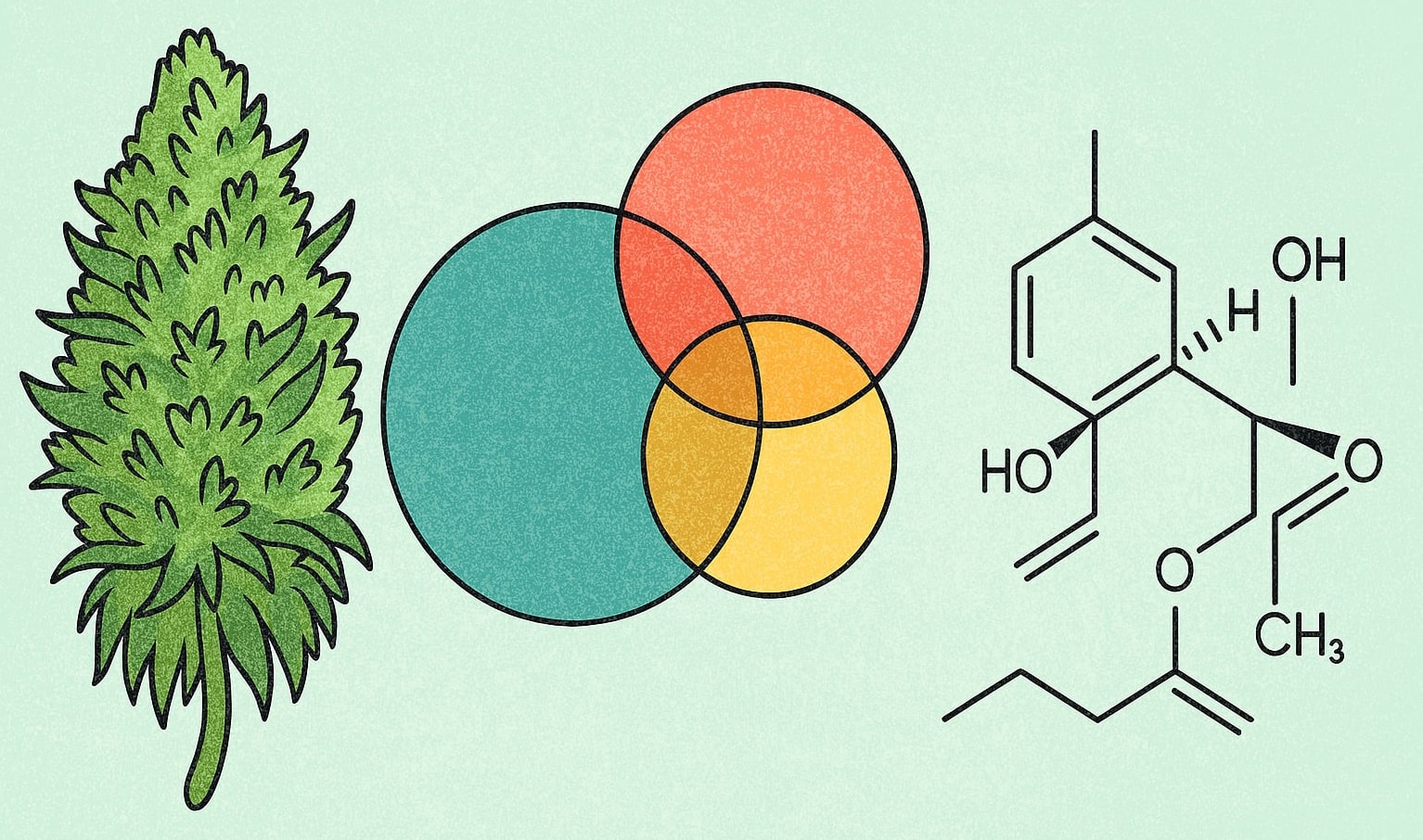
The creation of the strongest strains is the result of the meticulous work of breeders who combine different lines of cannabis genetics and analyze the terpene profile. It is genes that determine not only the concentration of THC, but also the aroma, stress resistance, and the plant's ability to form a rich set of cannabinoids.
An interesting aspect of breeding is related to the question of how to grow odorless cannabis. To do this, genetic lines with minimal terpene production or special cultivation methods are used to reduce the intensity of the aroma while maintaining high THC levels.
Genetic lines and their characteristics
| Type of genetics | THC level | Terpene profile | Features of selection |
| Indica | Medium–high | Earthy, spicy | Produces dense buds, often with a high resin content |
| Sativa | Medium–low | Citrus, herbal | Light structure, but when crossed, it can enhance the psychoactive effect. |
| High THC hybrids | High (up to 30%+) | Mixed, complex | Selection aims to balance strength and aroma |
| Special “odorless” lines | Tall | Minimum | Used for covert cultivation and reduction of terpenes |
Thus, the genetics of strong strains are not only about high cannabinoid levels, but also about controlling aroma, stability, and adaptation to conditions. That is why powerful marijuana strains with 30% THC are considered the pinnacle of breeding artistry.
This text is for informational purposes only and does not contain instructions for cultivation. Any actions involving plants of the Cannabis genus must comply with the laws of your country/region.
2025-12-08 17:38:35
Views:214