

0.00€
CheckoutHow breeding has changed the structure of the bush over the last 20 years
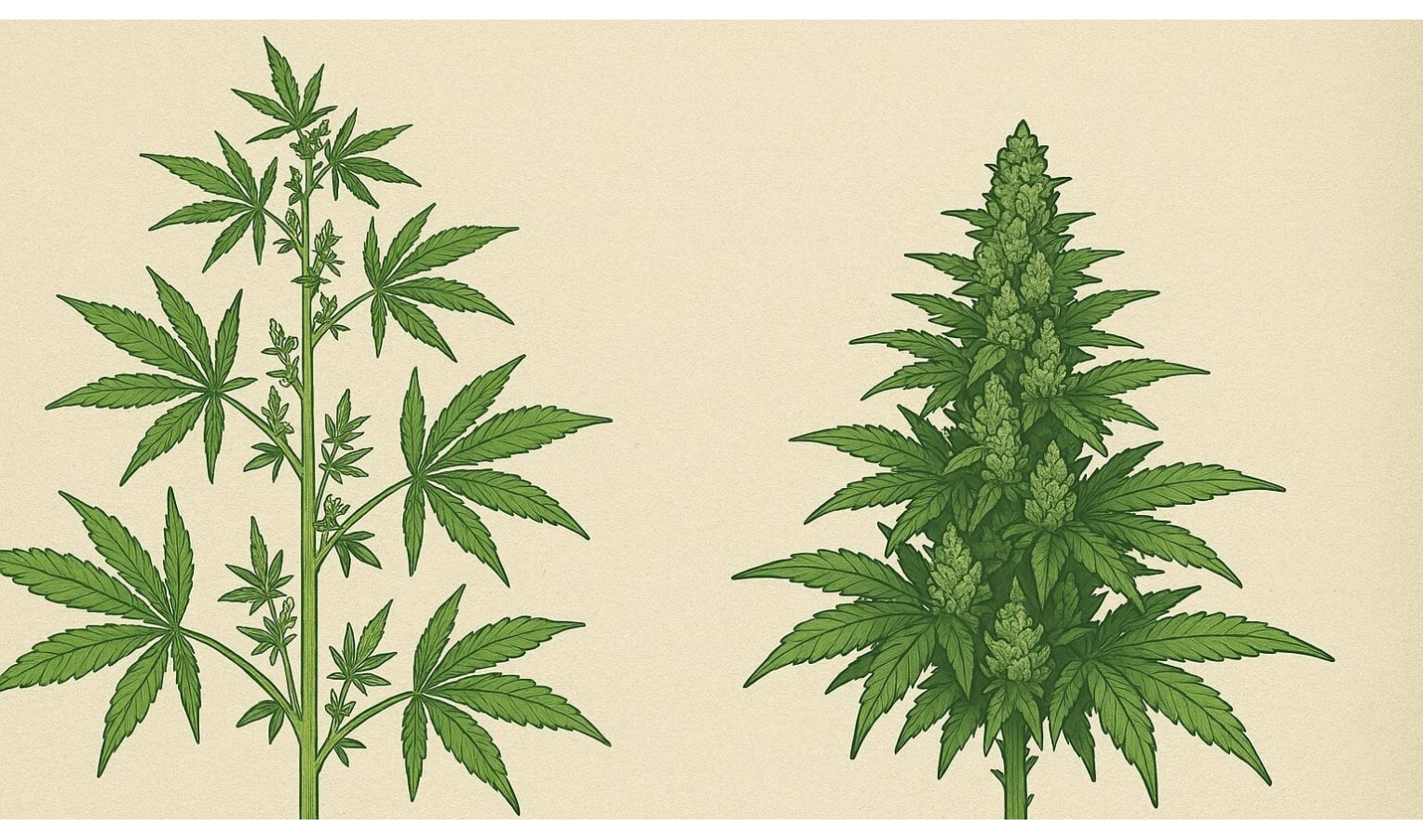
Over the past twenty years, hemp breeding has reached a new level thanks to advances in hemp genetics and the introduction of modern seed processing methods. Whereas previously plants had a more natural and unpredictable morphology, today's cannabis seed breeding allows the structure of the cannabis plant to be shaped for specific purposes — from compact forms for intensive cannabis cultivation to tall cannabis varieties for industrial use.
The evolution of cannabis breeding
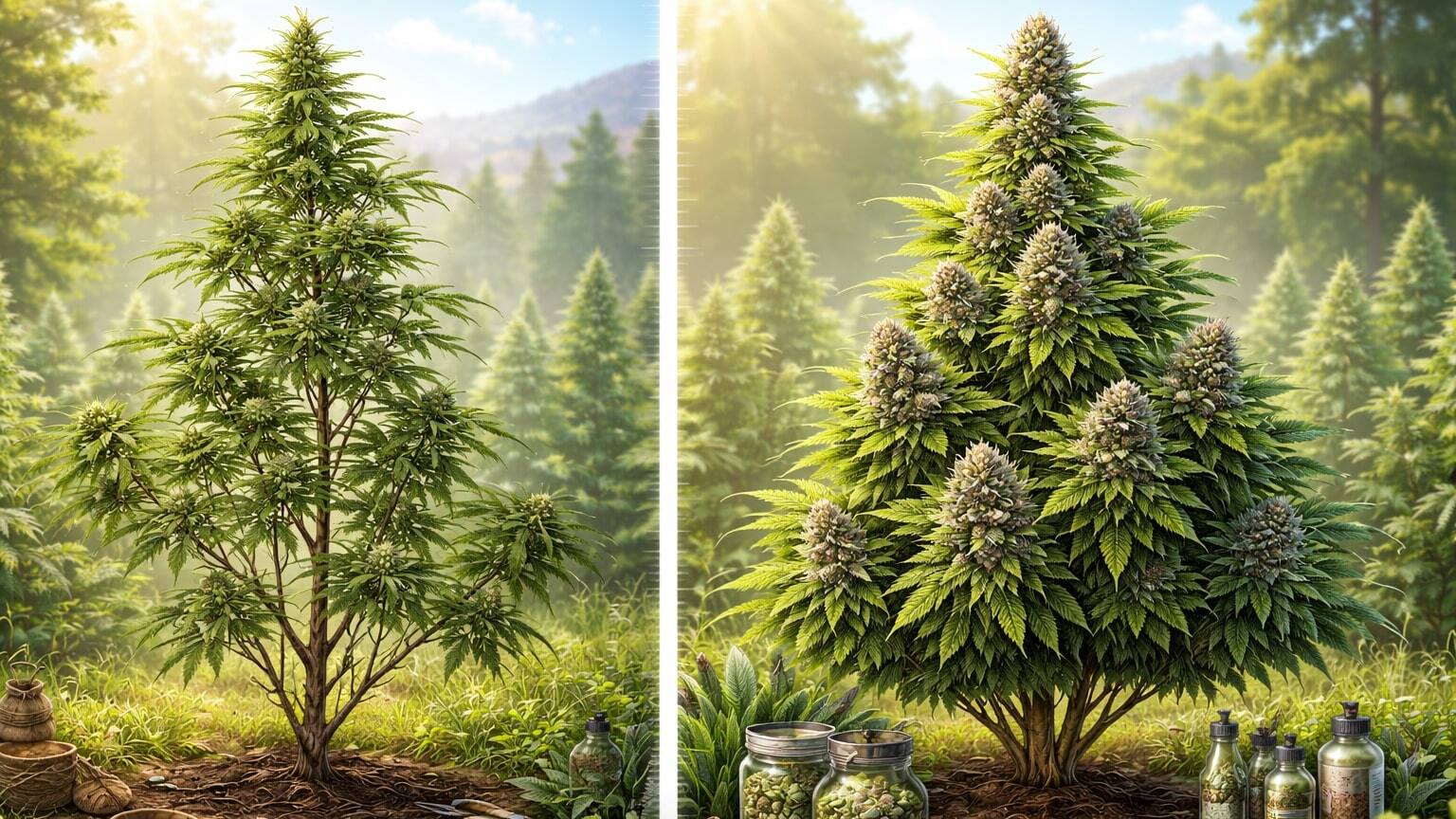
Particular attention is paid not only to the yield and sustainability of plants, but also to their organoleptic characteristics. This is where terpenes play a role in the aroma and taste of cannabis: breeders have learned to control the terpene profile, creating varieties with unique aromas and flavor nuances. This has become an important direction in the evolution of cannabis breeding, as the terpene composition directly affects the perception of the final harvest.
Thus, the development of cannabis varieties and cannabis breeding over the past two decades has changed not only the morphology of the plant, but also its qualitative characteristics, making cannabis cultivation more predictable and technologically advanced.
Changes in the structure of the hemp bush
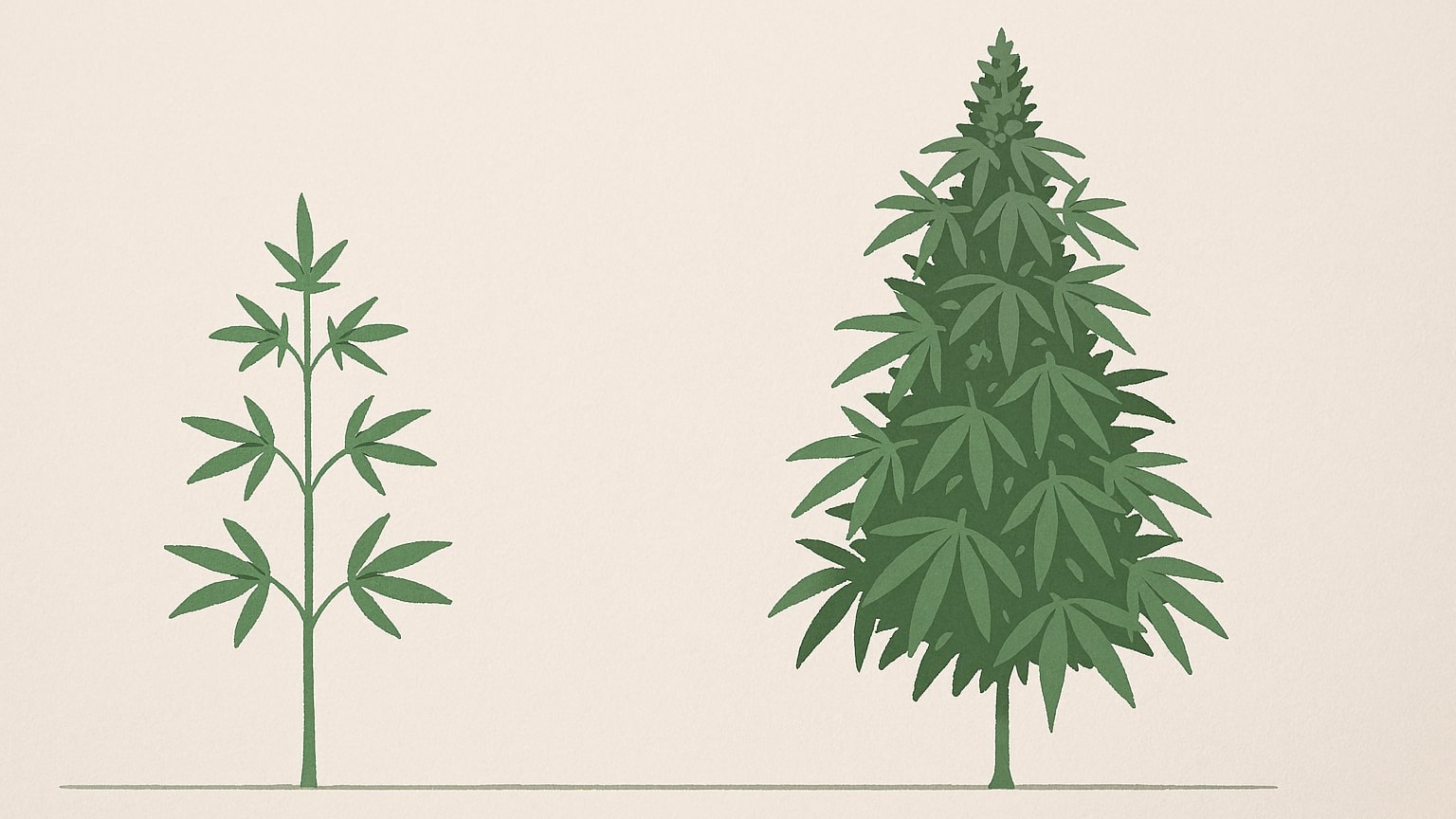
Over the past twenty years, the structure of the hemp bush has undergone significant transformations. Modern hemp varieties demonstrate a more compact and manageable structure, which facilitates hemp cultivation and makes hemp farming techniques more efficient. The morphology of the hemp bush now takes into account not only height and density, but also the uniform distribution of branches, which directly affects yield and quality.
The main changes can be described as follows:
- Compactness of the bush — new hemp varieties form a denser crown, which saves space and increases the efficiency of cultivation.
- Uniform branching — cannabis breeding has resulted in bushes with a predictable shape, making them easier to care for and harvest.
- Morphology optimization — the development of cannabis varieties is aimed at creating plants with a stable structure that is better adapted to different climatic conditions.
- Odor and terpene profile control — modern technologies allow the aroma of the plant to be regulated. In this context, the question of how to grow odorless cannabis is increasingly being discussed, as breeders are working on varieties with minimal terpene release for specific cultivation conditions.
Thus, changes in cannabis breeding have affected not only the genetics of cannabis, but also the practical side of cultivation, making the plant more technologically advanced and convenient for farmers.
Practical significance for agricultural technology
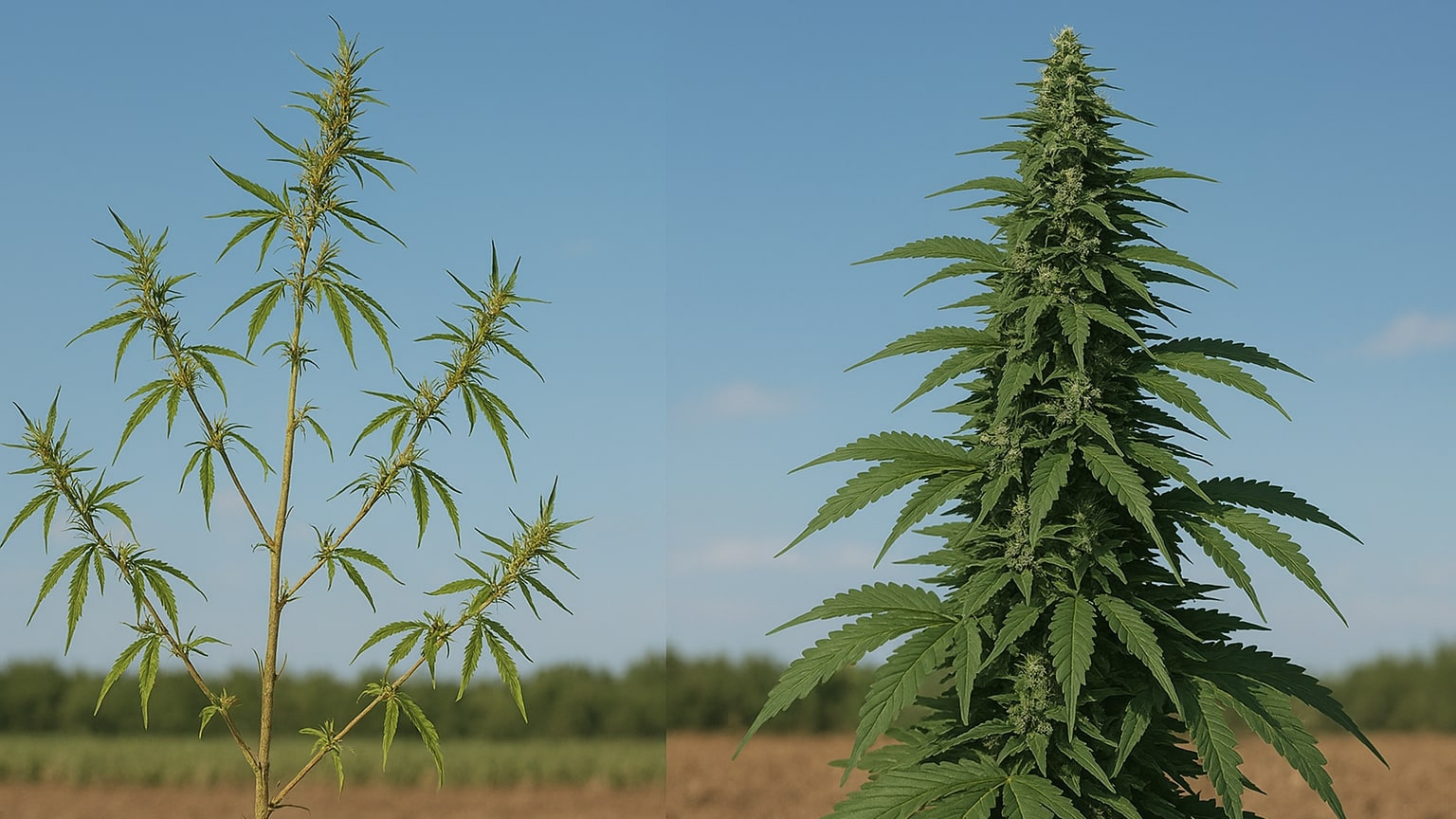
Modern cannabis breeding is not limited to changing the morphology of the plant—it directly affects cannabis cultivation techniques and growing efficiency. Thanks to new cannabis strains, farmers can use more precise cultivation methods, adapting plants to different climatic conditions and production tasks.
Particular attention is paid to hemp genetics, as it determines the key characteristics of the plant. The question “Which genes are responsible for THC levels and aroma?” has become central to research in recent years. Hemp seed breeding now takes into account not only yield but also terpene profile, which allows for control over the taste and smell of the crop.
Main areas of influence of breeding on agricultural technology
| Direction of change | Practical significance | Example of use |
| Stress resistance | Reducing crop losses during drought and temperature fluctuations | Growing hemp in regions with unstable climates |
| Optimization of bush structure | Ease of maintenance and mechanized harvesting | Morphology of a hemp bush with uniform branching |
| Terpene profile control | Aroma and flavor management | Development of cannabis strains with a mild aroma |
| Genetic selection | Creation of varieties with a specified THC level | Selection of cannabis for medical purposes |
Thus, hemp cultivation techniques today are closely linked to genetics and breeding. The development of hemp varieties allows for the production of plants with predictable characteristics, while hemp seed breeding ensures a balance between yield, resistance, and the quality of the final harvest.
This text is for informational purposes only and does not contain instructions for cultivation. Any actions involving plants of the Cannabis genus must comply with the laws of your country/region.
2025-12-26 14:56:10
Views:177